Restorative justice in North Simcoe
Face it, together.
When someone causes harm, FACE brings everyone affected into a circle to tell the truth, listen without judgment, and agree on how to make things right. An alternative to court, and a way through conflict for families and neighbours. Serving communities across North Simcoe.

- a registered charity serving North Simcoe
- Since 1999
- a registered charity serving North Simcoe
- participation: everyone involved agrees to take part
- Voluntary
- participation: everyone involved agrees to take part
- from the community are trained to guide every circle
- Volunteers
- from the community are trained to guide every circle
- circles are supported by community donations
- No set fee
- circles are supported by community donations
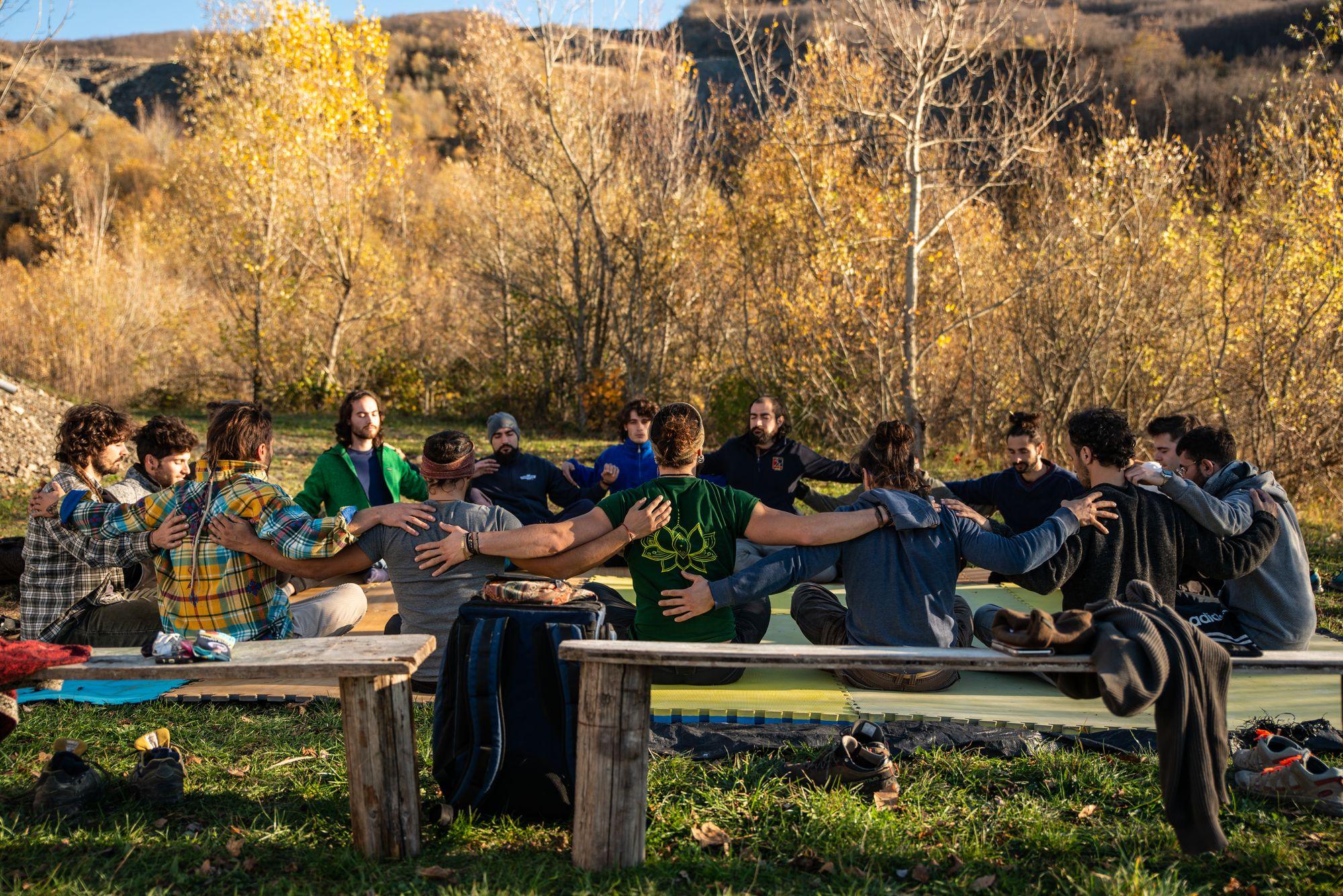
What is restorative justice?
Repairing harm. Building understanding.
Court asks which law was broken and what the penalty should be. A restorative circle asks different questions: How was each person harmed, even indirectly? And what does each person need to repair the harm and restore relationships?
It’s rooted in Indigenous traditional teachings that when one person causes harm, the whole community is affected, and everyone has a part in restoring balance.
How FACE can help
Three ways into a circle
Whether it’s an offence, trouble at home or a dispute next door, the circle works the same way: everyone affected, one conversation, an agreement you build together.
- For youth & adults
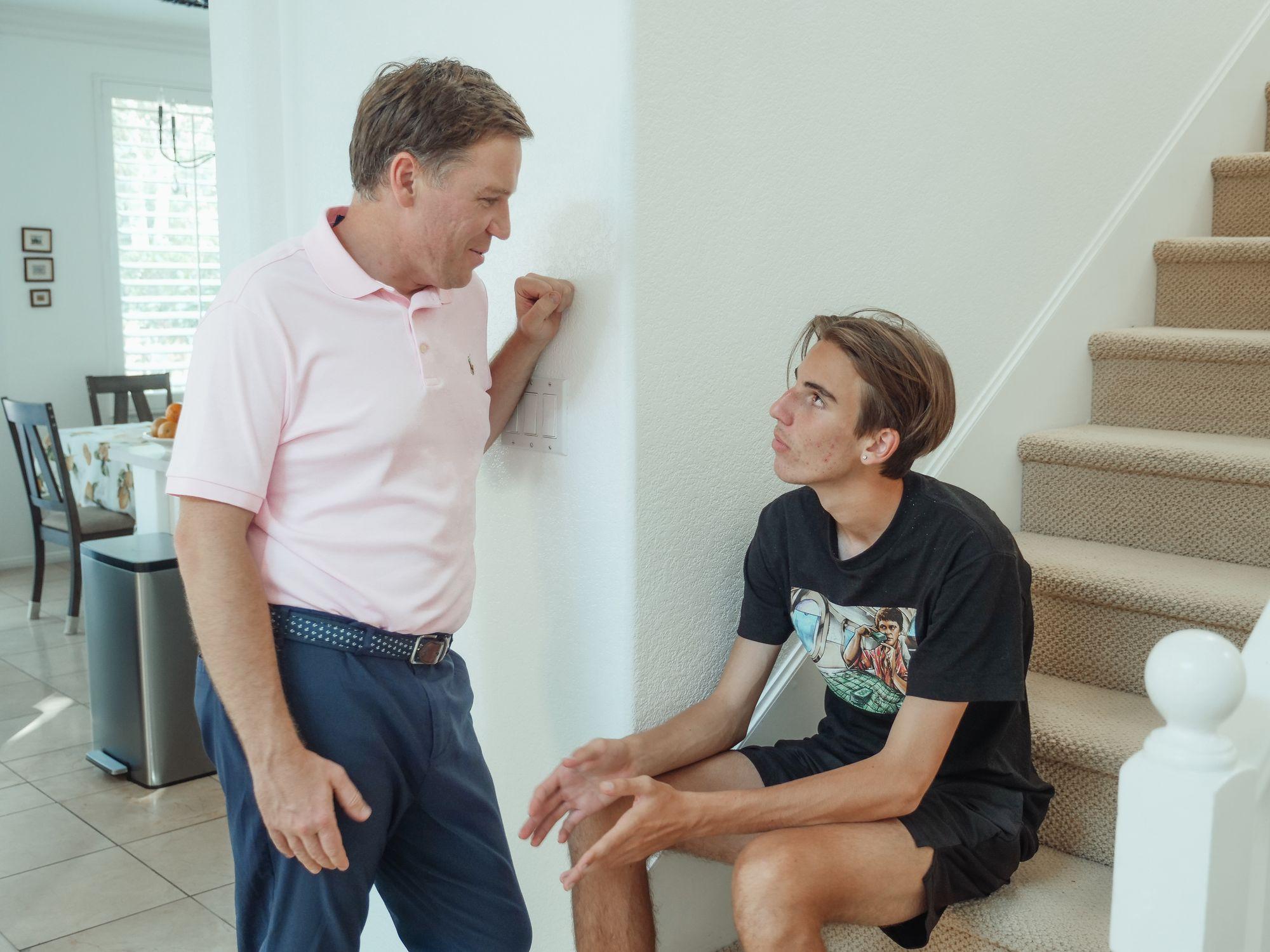
Court & Police Referrals
Instead of going to court, the people affected by an offence meet face to face, agree on how to make things right, and move on.
Learn more - For families
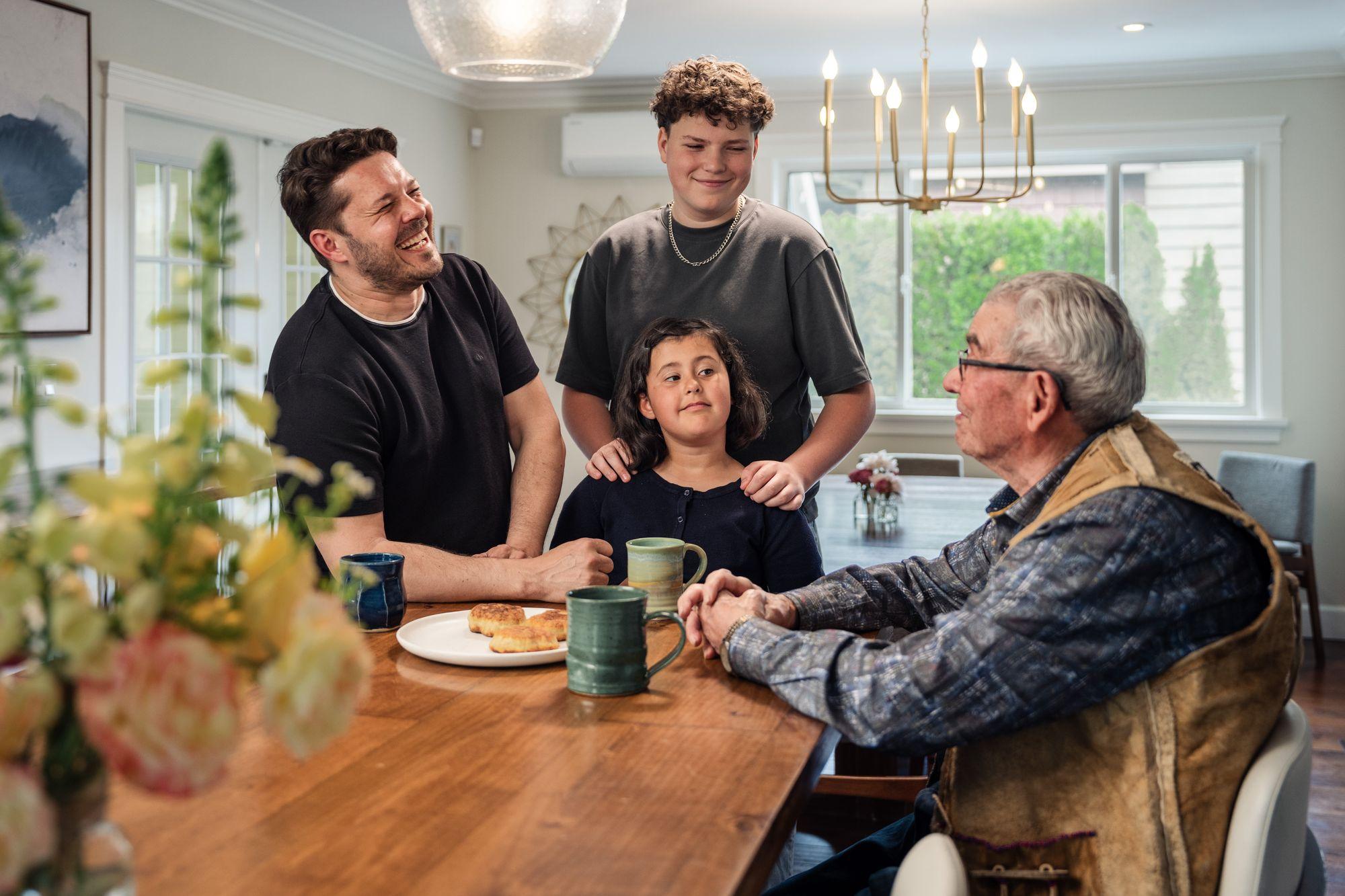
FACE for Families
Constant arguing, rules ignored, someone feeling shut out. A family circle helps everyone be heard and agree on a fresh start.
Learn more - For neighbours & community
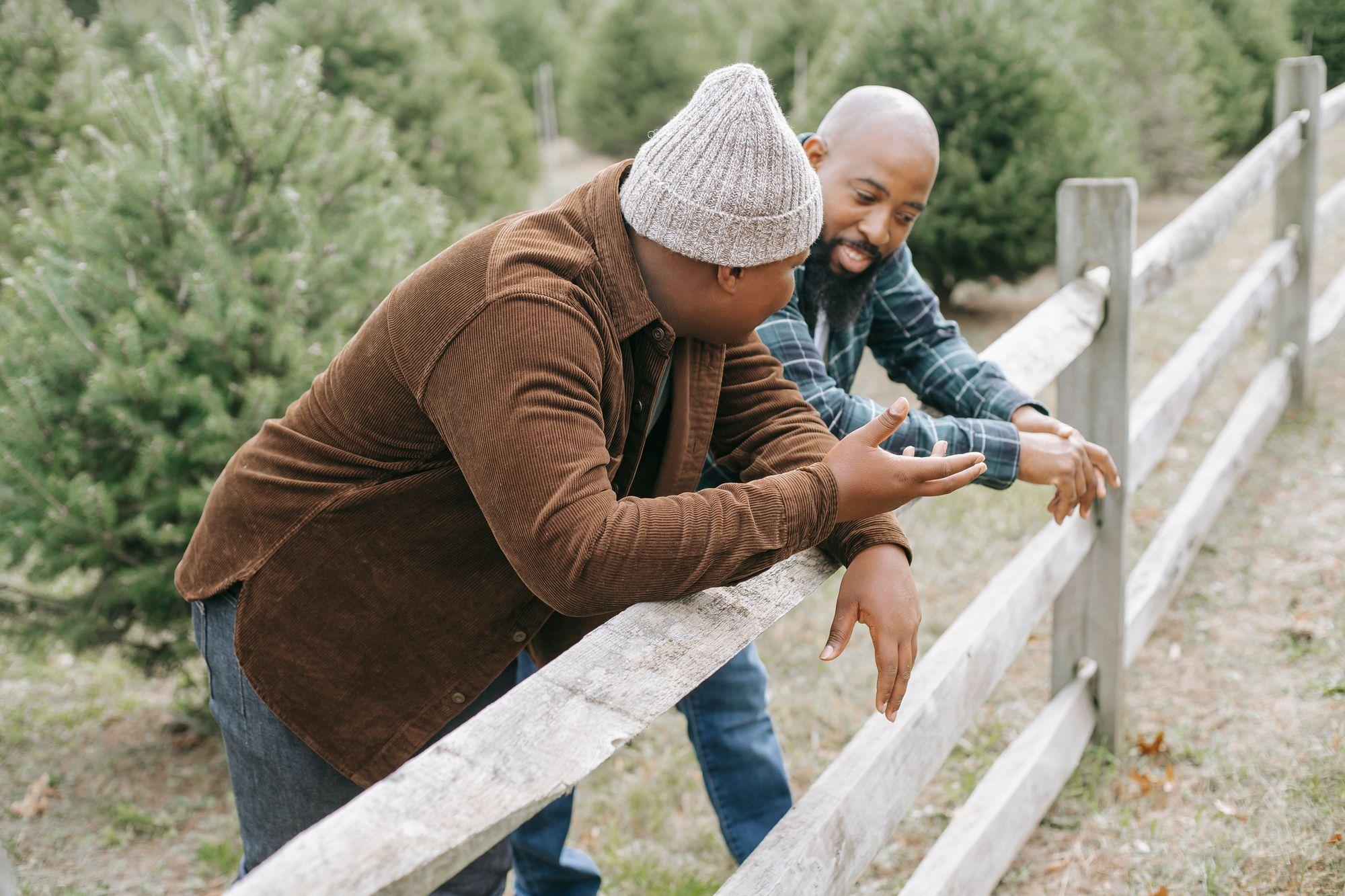
FACE for Neighbours
Fences, driveways, dogs, noise. Face the conflict without fighting it out, and build community one neighbour at a time.
Learn more
- Two trained volunteer facilitators, usually seated opposite each other
- The person responsible, and their supporters
- The person harmed, and their supporters
- The referring officer or community members
How a circle works
One room. One conversation. Everyone heard.
- 1
We meet everyone first
Two volunteer facilitators talk with each person individually, explain the process, and work out who should be invited. - 2
Everyone sits in the circle
Each person in turn shares what happened and how it affected them. No blaming, no interrupting. - 3
Together, decide what makes it right
Each person is asked what they need, and what they can contribute to repair the harm. - 4
A circle agreement
The group reaches a consensus and writes it down, with a set time to complete it. Then everyone moves forward.
What makes it work
Truth telling. Acceptance. Respect.
Every circle rests on three principles. They’re the tools for repairing relationships, and for building new ones.
- 1
Truth telling
Each person tells their part of the story without hiding or holding back.
- 2
Acceptance
Each person listens to the other without judgment.
- 3
Respect
Each person is valued with equal respect.
In their words
What people say after a circle
“The circle not only dealt with the offence and helped my daughter to move forward in a good way but also taught our whole family how to be honest with and help each other.”
Parent of a participant “Wonderful program to have to settle these matters out of court and actually face that person.”
Person who was harmed “Before this I was a bit bitter toward them, even though I was the cause of it… If I had gone to court, I would have stayed that way.”
Person who caused harm

Support FACE
Powered by volunteers. Supported by our community.
FACE has no paid staff: volunteers facilitate the circles and even fill the coordinator role. There’s no set fee for a circle, so your donations help keep them open to everyone who needs one.
Registered charity. Tax receipts for gifts over $20.
Not sure where to start?
Call or write to us. We’ll listen, explain how a circle could help, and help you invite the other people involved.